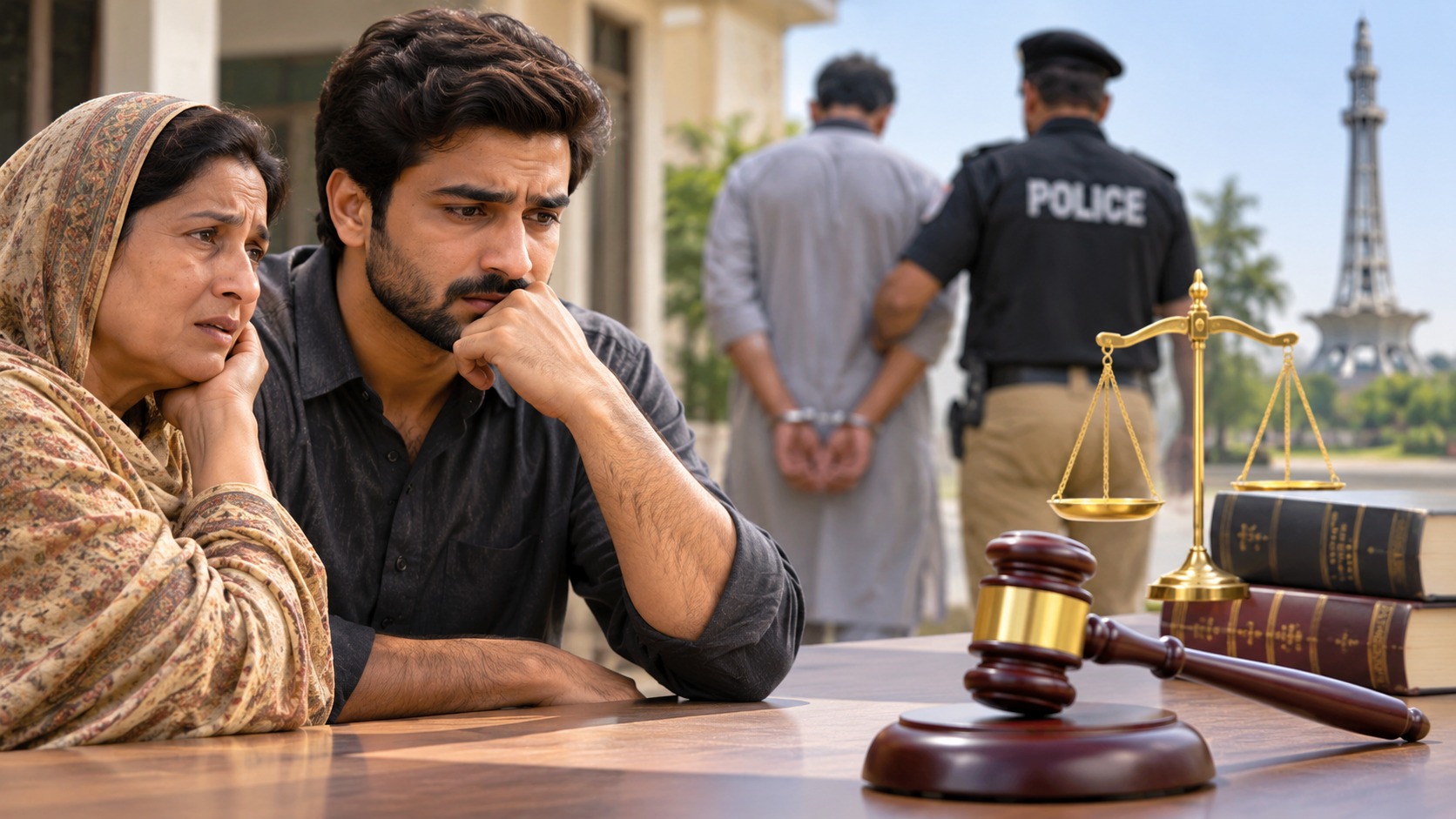

Suppose you paid bayana for a house or plot and the seller refuses to transfer. You need to handle it carefully. You may have grounds to seek repayment or pursue completion of the sale, depending on your agreement and evidence. A bayana refund in Pakistan is not automatic, and neither is the “double bayana” promised in some agreements. The seller may now want a higher price, keep postponing the transfer, or offer repayment only if you sign a cancellation. Before agreeing, establish what you paid, what each side promised, and which outcome you want. These details help you decide whether negotiation, a legal notice, or court proceedings are appropriate.
Can You Claim a Bayana Refund in Pakistan?
You may have a refund claim where the seller breaches the agreement or another valid repayment ground exists. Your position depends on the contract, payment evidence, and who is responsible for the failed transaction. Simply changing your mind does not necessarily create the same rights as a seller refusing an agreed sale. Start with the document itself. Check the property description, price, payment schedule, transfer deadline, cancellation terms, and signatures. Identify whether the money went to the owner, an authorized representative, or a dealer. A payment receipt matters, but the surrounding terms explain what that payment secured.
Decide Whether You Want the Property or Repayment
Your preferred outcome affects how you should approach the dispute. Tell your lawyer whether you still want to complete the purchase or want to leave the transaction.
If You Still Want the Property
A claim for specific performance asks the court to enforce an agreement. This remedy is discretionary, not guaranteed merely because bayana changed hands. The Specific Relief Act addresses enforceability, the buyer’s conduct, and circumstances affecting the court’s decision. See the Specific Relief Act, 1877, sections 12, 22 and 24. Keep evidence showing how you met, or were prepared to meet, your obligations. Relevant records may include available funds, payment arrangements, and messages arranging completion. Do not sign a cancellation while assuming your claim to the property remains unaffected.
If You Want Your Money Back
Ask for an assessment of the repayment basis before accepting deductions or signing a settlement. The amount paid, contractual terms, and circumstances of cancellation all need review. A refund claim and a compensation claim also require separate consideration. Any settlement should identify the amount, payment method, deadline, and consequences of missed payment. Be particularly careful with a document stating that you have already received full payment. A promise to pay later is not the same as cleared funds.
Does a Double-Bayana Clause Guarantee Double Payment?
No. A clause promising double bayana does not automatically produce a court award for that amount. Its wording, the established breach, and the applicable compensation principles matter. Section 74 of the Contract Act concerns reasonable compensation where a contract specifies a sum or penalty for breach. The named amount is not automatically payable in full. Courts assess what is reasonable within the statutory limit. LUMS School of Law’s analysis of contractual damages explains this distinction through Pakistani judgments. For example, paying PKR 500,000 does not automatically create a right to recover PKR 1 million. Preserve evidence of the seller’s refusal and any resulting financial loss. Keep the repayment claim separate from any additional compensation you request.
Gather Evidence Before the Dispute Becomes Harder to Prove
Prepare one organized file before seeking advice. Include the following where available:
- The signed agreement, receipts, and written extensions.
- Bank transfers, cheque records, and payment acknowledgments.
- Messages about price, transfer dates, cancellation, or repayment.
- Property documents and available seller identification.
- The dealer’s details and any evidence of authority to receive money.
- Records showing your arrangements for the remaining payment.
Write a short timeline linking each payment and promise to its supporting record. Preserve original messages and documents, not just selected screenshots. If you paid cash, identify witnesses and contemporaneous acknowledgments. Disclose missing evidence honestly; never recreate receipts or backdate an agreement.
What If the Seller Threatens to Sell Elsewhere?
Tell your lawyer promptly if the property is being advertised again or another transfer appears imminent. Ask whether your evidence supports an application for temporary protection through the appropriate court. Injunctions are court remedies, and their availability depends on the circumstances. The Specific Relief Act, sections 52–54, address preventive relief. Preserve advertisements and relevant messages without confronting another buyer. A legal notice is not a court order that stops a transfer. Do not assume negotiations or a complaint to the dealer have secured the property.
When to Consult a Property Lawyer in Lahore
Seek an assessment when the seller disputes your payment, alleges your default, refuses repayment, or demands cancellation signatures. Advice is particularly useful where money passed through a dealer or the seller’s authority is unclear. Ask the lawyer to explain the appropriate claim, necessary parties, relevant deadlines, evidence gaps, and likely expenses. A useful assessment should also cover settlement options and practical recovery challenges. No responsible assessment can promise a fixed court timeline or guaranteed payment. Chaudhary & Associates offers representation in recovery claims, injunctions, and civil proceedings, as well as agreement and legal-notice drafting. Its civil and property litigation services are relevant to assessing these disputes.
Protect Your Position Before Accepting a Settlement
The strongest starting point for a bayana refund in Pakistan is a clear agreement supported by reliable payment records. Decide whether you want the property or repayment, and obtain advice before signing away disputed rights. Keep your own obligations in view, particularly outstanding payments and agreed completion dates. Do not let a promise of double repayment distract you from the evidence or recovery risks. Chaudhary & Associates can assess your documents and discuss the appropriate next step. Bring your agreement, receipts, and a brief timeline to the consultation so the discussion addresses your transaction, not assumptions.
FAQs About Bayana Refunds
Can I seek repayment without a signed bayana agreement?
Possibly, but proving the payment’s purpose and agreed terms becomes harder. Receipts, bank records, messages, and witnesses may help. Have an expert assess the available evidence before assuming recovery is impossible or assured.
Can the seller keep my bayana if I missed payment?
The agreement, the reason for the delay, and the parties’ conduct require examination. Do not assume forfeiture is automatically valid, but do not assume your own default has no consequences.
Should I accept a partial refund?
Only after understanding any attached settlement terms. A document describing partial payment as full settlement could affect your remaining claim. Have the wording checked before signing.