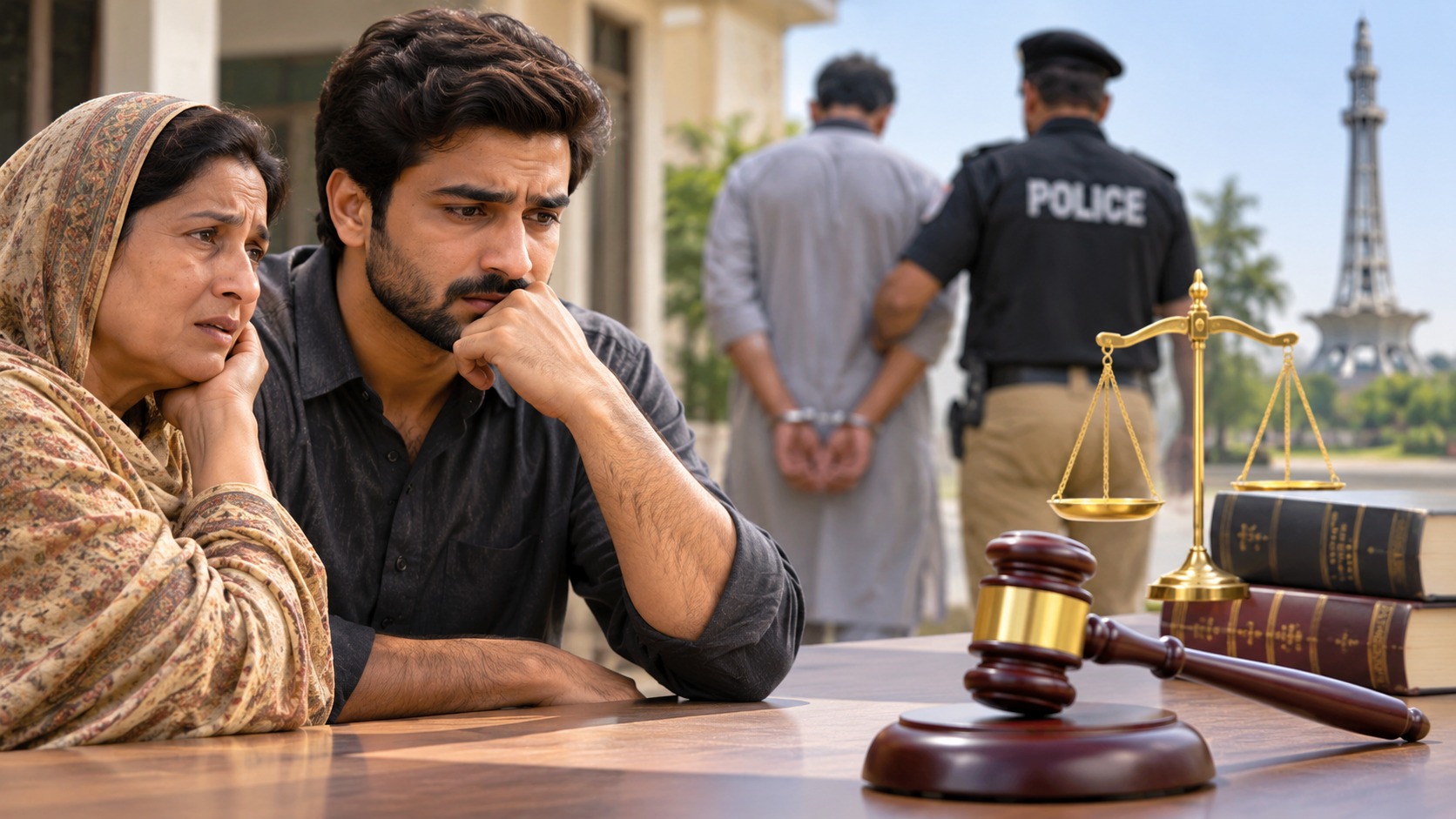
Marriage, divorce, custody, and inheritance disputes touch nearly every family in Pakistan at some point, yet most people only start researching the rules once a crisis is already underway. Family law questions tend to follow familiar patterns, whether it is a wife asking how khula works, a father wondering about custody rights, or siblings unsure how inheritance is divided under Islamic law. The legal framework has also shifted in recent years through Supreme Court rulings and procedural changes, so answers that were accurate a decade ago may no longer hold. This guide walks through the questions people ask most often, with the current legal position on each.
What Are the Most Common Family Law Questions in Pakistan
Family law questions in Pakistan usually center on four areas: how to end a marriage, who gets custody of the children, who pays maintenance, and how property and inheritance are divided. Each of these is governed by a distinct legal framework, ranging from the Muslim Family Laws Ordinance 1961 to the Guardians and Wards Act 1890, and the right answer often depends heavily on the specific facts of the case rather than a single blanket rule.
How Does Divorce and Khula Work in Pakistan
Divorce in Pakistan follows different procedures depending on who initiates it. Understanding the distinction between talaq and khula is usually the first thing clients need clarified before any other decision can be made.
Talaq Initiated By The Husband
Under the Muslim Family Laws Ordinance 1961, a husband who pronounces talaq must give written notice to the local Union Council. A 90 day reconciliation period follows before the divorce becomes legally effective, and skipping this notification step means the talaq is not legally recognized even if it was spoken.
Khula Initiated By The Wife
Khula is a wife’s right to seek judicial dissolution of marriage through the Family Court, and it does not require the husband’s consent. A landmark 2022 Supreme Court ruling, reaffirmed in subsequent judgments, confirmed that a wife’s persistent and genuine request for khula must be granted once reconciliation has failed, based on the principle established decades earlier in the Khurshid Bibi case. The court typically directs the wife to return her dower, or mehr, though this can be reduced or waived where cruelty is proven. An uncontested case usually takes three to six months, while a contested one can extend well beyond a year.
Who Gets Child Custody After Divorce
Custody disputes are decided under the Guardians and Wards Act 1890, and the governing principle is the welfare of the child rather than an automatic right for either parent. Mothers typically receive hizanat, meaning day to day physical custody, for sons until around age seven and daughters until puberty, though courts can extend or shorten this based on the child’s best interests. Fathers usually hold wilayat, or legal guardianship, and remain financially responsible for the child regardless of who has physical custody. Taking khula does not cause a mother to lose her custody rights, and a father does not automatically gain custody simply because he pronounced talaq.
Who is Responsible for Maintenance and Financial Support
Maintenance obligations in Pakistan generally follow a clear pattern, though the amount and enforcement depend on the family court handling the case.
- A husband remains responsible for his wife’s maintenance during the marriage and through the iddat period after divorce.
- A father must financially support his children until they reach adulthood, independent of who has physical custody.
- Family courts can enforce maintenance orders directly against a father’s salary or assets if payments are not made voluntarily.
- Failure to pay ordered maintenance can result in contempt proceedings before the family court.
How is Inheritance Divided Under Family Law
Inheritance in Pakistan is governed by Islamic law as codified through the Muslim Personal Law (Shariat) Application Act 1962, which sets fixed shares for spouses, children, and other close relatives. Sons generally receive twice the share of daughters, a rule rooted in the broader Islamic inheritance framework, which also assigns sons greater maintenance obligations to the family. Disputes commonly arise when property is not formally transferred after a family member’s death, leaving heirs without clear legal title for years. A succession certificate or letter of administration from the civil court is usually required before banks or land authorities will recognize an heir’s claim.
Mistakes That Complicate Family Law Cases
Many family law disputes become harder to resolve not because of the underlying facts, but because of avoidable procedural errors early in the process. Failing to notify the Union Council after a talaq is one of the most common mistakes, since it leaves the divorce legally unrecognized regardless of intent. Delaying a formal custody or maintenance filing while relying on informal family arrangements also weakens a party’s position if the dispute later goes to court. Not documenting mehr, property transfers, or verbal agreements at the time they happen makes them far harder to prove years later during a contested case.
Getting Clarity on Your Family Law Situation
Family law questions rarely have a one size fits all answer, since outcomes depend on the specific facts, the province, and how well a case is documented from the start. Whether the issue involves khula, custody, maintenance, or inheritance, understanding the current legal position before acting can prevent costly delays and procedural mistakes. Chaudhary & Associates advises clients across these matters and can review your situation to explain the options available under current Pakistani family law.
FAQs About Family Law Questions in Pakistan
Can a wife file for khula without her husband’s consent?
Yes. Since the Supreme Court’s 2022 ruling, family courts can grant khula based on the wife’s persistent and genuine desire to end the marriage, even without the husband’s agreement.
Does a mother lose custody if she remarries?
Not automatically. Courts assess the welfare of the child on a case by case basis, and remarriage alone is not sufficient grounds to remove custody, though it may be considered alongside other factors.
How long does a contested khula case take?
A contested khula, where the husband disputes the case or where custody and maintenance are also in issue, commonly takes one to two years or longer depending on the court’s schedule and how the case is documented.
Is oral talaq legally valid in Pakistan?
An oral talaq without written notice to the Union Council is not legally effective under the Muslim Family Laws Ordinance, and treating it as final without formal notification can create serious legal complications later.
What documents are needed to claim inheritance?
Heirs generally need a succession certificate or letter of administration issued by a civil court before banks, land registries, or other institutions will formally transfer inherited assets.